
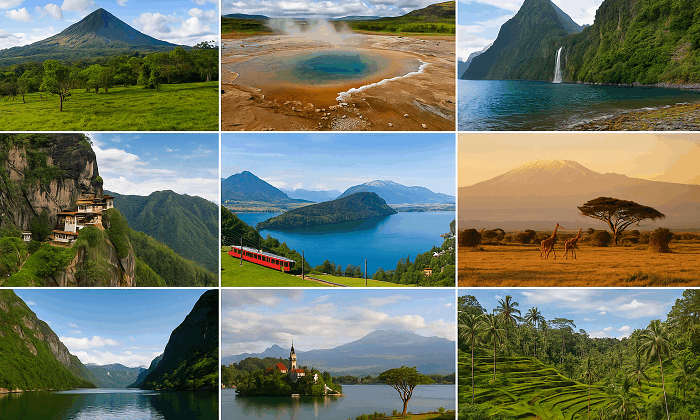
In an era when sustainability and environmental awareness are no longer optional, eco friendly travel has emerged as a transformative way to explore the planet while preserving it for future generations. Travelers today are increasingly choosing destinations that focus on responsible tourism, conservation, and local community empowerment. Whether it’s a lush rainforest retreat, a pristine island committed to renewable energy, or a city that redefines sustainability, eco friendly destinations allow you to travel with purpose while minimizing your carbon footprint. Let’s explore the top 10 eco friendly travel destinations around the world that beautifully combine natural beauty with a strong commitment to sustainability.
1. Costa Rica – The Green Heart of Central America
Costa Rica is one of the world’s leading eco tourism destinations, with over 25 percent of its land protected by national parks and reserves. The country is a pioneer in renewable energy and wildlife conservation. From the cloud forests of Monteverde to the biodiverse Osa Peninsula, Costa Rica offers travelers a chance to experience nature at its purest. Eco lodges powered by solar energy and sustainable tours that support local communities make it a paradise for conscious travelers. Activities like hiking, bird watching, and sustainable coffee farm visits make it a must visit for nature enthusiasts.
2. Iceland – Land of Fire, Ice, and Sustainability
Iceland’s natural wonders, including glaciers, geysers, and waterfalls, are powered by one of the cleanest energy grids in the world. Nearly all of Iceland’s electricity comes from geothermal and hydroelectric sources. Visitors can soak in geothermal hot springs, hike stunning volcanic landscapes, and witness the Northern Lights while knowing their travel footprint remains minimal. Eco conscious accommodations and locally sourced food further enhance Iceland’s sustainable travel experience, making it one of the top choices for eco travelers.
3. New Zealand – Adventure in Harmony with Nature
New Zealand has long been a model for eco tourism with its breathtaking landscapes, Maori heritage, and conservation efforts. The country promotes the concept of “Tiaki Promise,” encouraging travelers to act as guardians of the land. From kayaking through Milford Sound to exploring eco friendly wine regions and nature trails, New Zealand’s tourism industry balances environmental preservation with adventure. Sustainable stays, waste reduction programs, and community driven conservation projects make it a standout destination for responsible travelers.
4. Bhutan – The Kingdom of Happiness and Sustainability
Bhutan is the only country in the world that measures its success through Gross National Happiness rather than GDP, emphasizing environmental conservation and cultural preservation. More than 70 percent of its land remains forested, and the country absorbs more carbon than it emits. Bhutan limits mass tourism through a sustainable tourism policy that prioritizes quality over quantity. Visitors can explore ancient monasteries, trek through untouched Himalayan trails, and immerse themselves in a culture deeply rooted in respect for nature.
5. Switzerland – Clean Energy Meets Alpine Beauty
Switzerland’s stunning landscapes are matched by its commitment to environmental sustainability. Its efficient public transport system, extensive recycling initiatives, and emphasis on renewable energy make it a model of green tourism. Eco resorts in the Swiss Alps focus on reducing energy use and promoting local produce. Whether traveling by scenic trains through mountain valleys or hiking through protected national parks, travelers can enjoy Switzerland’s natural splendor with minimal environmental impact.
6. Kenya – Conservation and Community Based Tourism
Kenya has transformed safari tourism by integrating conservation with community empowerment. Many eco lodges in Maasai Mara and Amboseli National Park are owned and operated by local communities who protect the wildlife and landscapes around them. Visitors can participate in sustainable safaris, visit wildlife sanctuaries, and learn about the country’s extensive conservation programs. Kenya’s commitment to banning plastic bags and preserving biodiversity highlights its role as a leader in eco tourism across Africa.
7. Norway – A Sustainable Fjord Wonderland
Norway’s breathtaking fjords, glaciers, and forests make it a natural paradise, and the country’s environmental policies make it one of the most sustainable travel destinations in the world. Electric ferries cruise through fjords, cities are powered by renewable energy, and hiking trails are managed with strict eco regulations. Norway also leads in green transportation with electric vehicles widely adopted nationwide. Whether exploring Oslo’s eco friendly architecture or kayaking through the Geirangerfjord, travelers experience a perfect blend of nature and innovation.
8. Slovenia – Europe’s Hidden Green Gem
Slovenia is often regarded as Europe’s most sustainable country, earning the title of the world’s first green destination. Its capital, Ljubljana, has been recognized for banning cars in the city center and promoting cycling and electric vehicles. The country’s eco lodges, farm stays, and forest retreats highlight its commitment to green living. Visitors can explore the Julian Alps, Lake Bled, and Triglav National Park while supporting local producers and environmentally conscious initiatives.
9. Bali, Indonesia – Eco Conscious Island Living
Beyond its beaches and temples, Bali has embraced eco friendly tourism in remarkable ways. The island is home to eco resorts built with natural materials, organic farms, and communities dedicated to sustainability. Initiatives like Bali Green School educate both locals and visitors on renewable energy and waste management. From sustainable surf camps to jungle retreats that rely on solar power, Bali offers an ideal balance between relaxation and environmental awareness.
10. Finland – The Land of Lakes and Renewable Wonders
Finland consistently ranks as one of the greenest countries on Earth, thanks to its vast forests, clean air, and commitment to renewable energy. Travelers can stay in eco cabins made of sustainable wood, enjoy organic Finnish cuisine, and experience the serenity of nature in its purest form. Activities like hiking, cross country skiing, and Northern Lights viewing are all conducted with deep respect for the environment. Finland’s dedication to clean energy and responsible tourism makes it a top choice for eco travelers seeking peace and authenticity.
Conclusion
Traveling sustainably is not just a trend, it’s a responsibility. The top 10 eco friendly travel destinations prove that adventure, culture, and conservation can coexist beautifully. By choosing these destinations, travelers contribute to preserving the planet while enjoying immersive experiences that connect them deeply with nature and local communities. Whether it’s trekking through Bhutan’s forests, exploring Iceland’s geothermal wonders, or relaxing in Costa Rica’s rainforests, sustainable travel offers both fulfillment and purpose. As global awareness grows, embracing eco tourism ensures that every journey leaves a positive impact on the planet.
Frequently Asked Questions about Eco Friendly Travel Destinations
Q1. What makes a destination eco friendly?
Answer. A destination is considered eco friendly when it promotes sustainable practices such as renewable energy use, waste reduction, conservation efforts, and support for local communities while minimizing the environmental impact of tourism.
Q2. How can travelers reduce their environmental footprint while exploring new places?
Answer. Travelers can minimize their footprint by using public transport, staying in eco certified accommodations, reducing plastic use, supporting local businesses, and respecting local ecosystems and wildlife.
Q3. Which eco friendly destinations are best for adventure lovers?
Answer. New Zealand, Costa Rica, and Norway are ideal for adventure seekers who also value sustainability, offering eco conscious options for hiking, kayaking, and wildlife exploration.
Q4. Are eco lodges expensive compared to regular hotels?
Answer. Eco lodges vary in price but often provide added value through locally sourced food, community engagement, and immersive experiences that contribute to sustainability.
Q5. Why is sustainable travel important for the future?
Answer. Sustainable travel ensures that tourism benefits local communities and protects natural environments, preserving them for future generations while promoting a more ethical and responsible global travel culture.